
By Reneir Cruise
Prologue From Reneir
2 years ago in March 2024, I wrote the OG version of this blog. Now we get a chance to revisit it here in March 2026. Of course, life has moved forward since then along with my knowledge of Digital Marketing. My own Physical Fitness journey also evolved, here is a quick look now that I dedicated 1 training session just for my arms.
Glad I was able to share that with you. Of course,feel free to subscribe to my personal YouTube channel. Now, let’s look at some of the changes from my initial blog post.
As an opening act, let’s revisit what a Physical fitness brand is in 2026. According to ChatGPT, a physical fitness brand in 2026 is not just a gym, clothing line, or supplement company anymore. It is a lifestyle ecosystem that helps people improve their body, health, and identity—through training, technology, community, and culture.
Here are some examples of these types of brands in 2026:
Apparel and Footwear
- Examples: Nike, Lululemon, Adidas
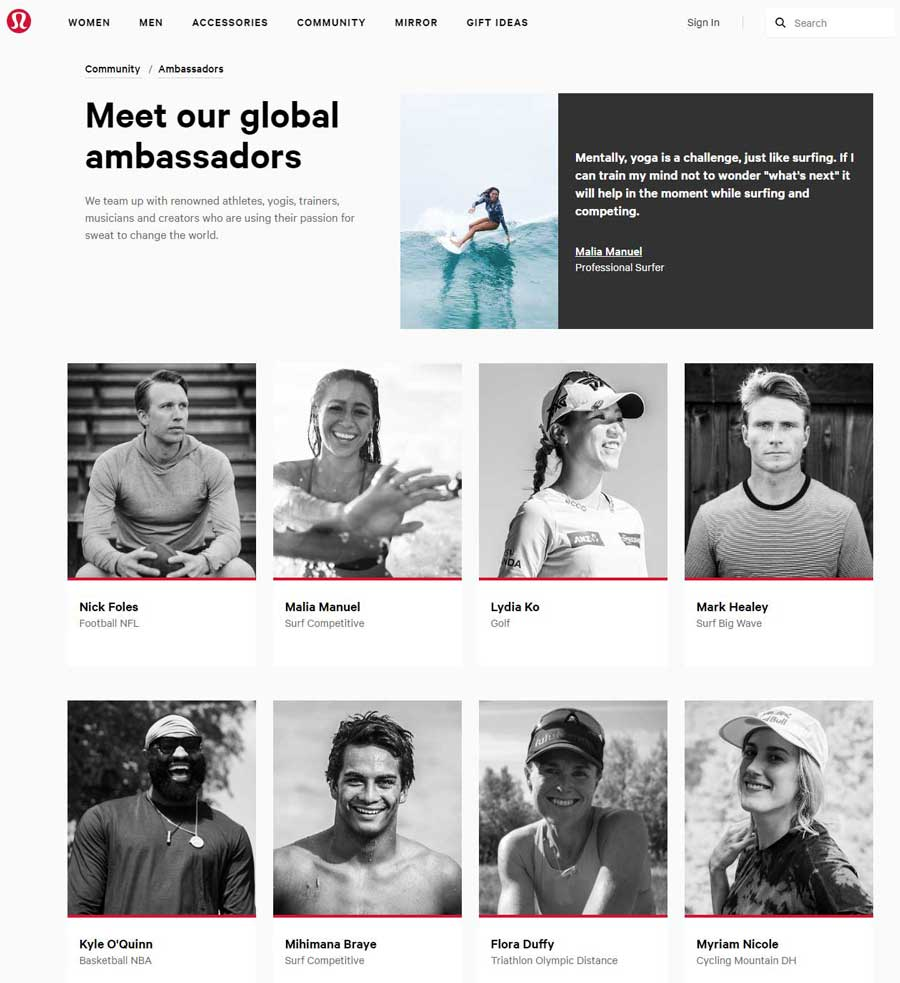
- Products: Clothing, footwear, and accessories designed for workouts, sports, or fitness activities. These brands often emphasize performance, comfort, and style for athletes and fitness enthusiasts. Because of this, I have been invested in Nike’s Metcon line-up for my training shoes. In 2021 with their Metcon Sport, and just recently over the last month, their Metcon 6.
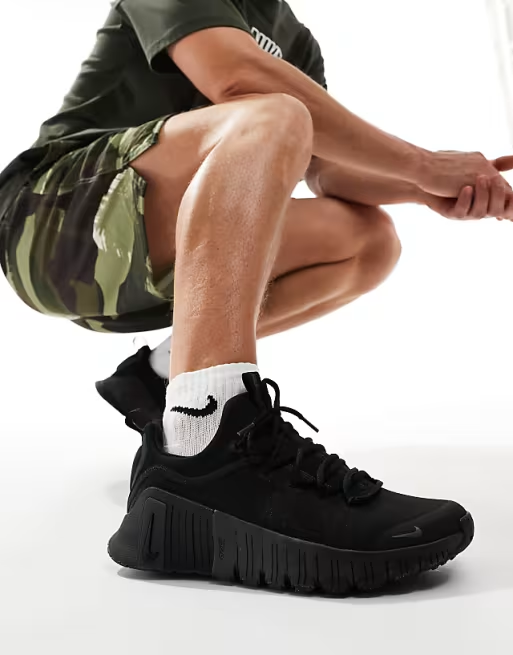
Also, check out a related blog that I wrote in August 2025 called “How Top Athletic Apparel Brands Position Themselves With A Marketing Agency.” This goes into more detail about how these brands conduct their actual marketing campaigns with real-time examples.
Fitness Equipment
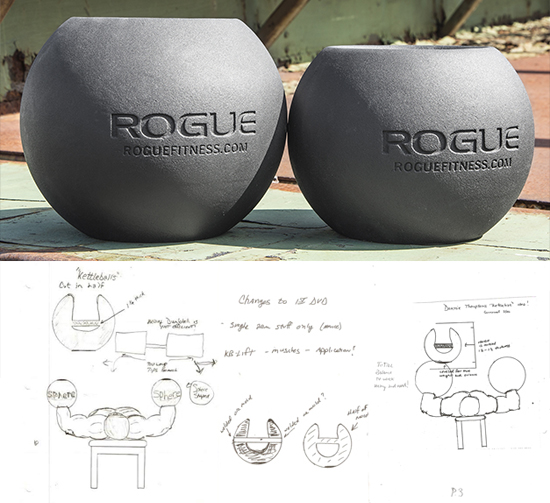
- Examples: Peloton, Bowflex, ROGUE Fitness
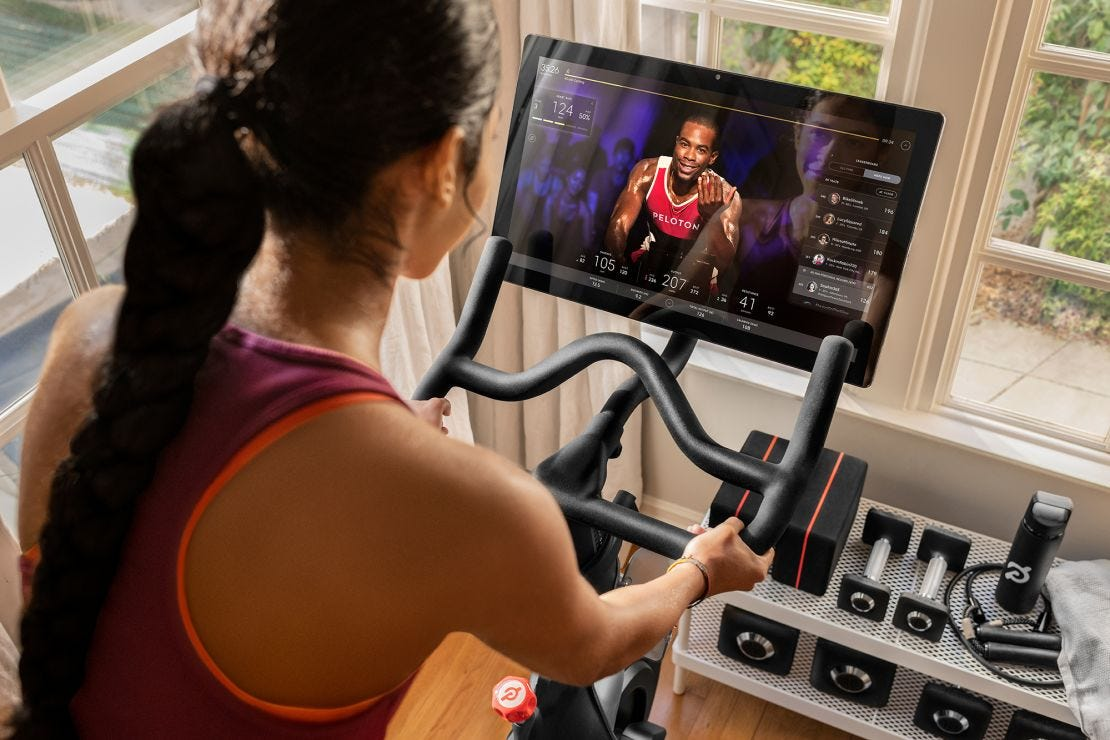
- Products: Home gym equipment, workout machines, weights, resistance bands, and other tools used for physical exercise. Some of these brands also offer digital content like workout videos or training programs. Stay tuned as there is a deeper blog on the way later this year related to fitness equipment. It will be similar to the apparel blog referenced above.
Gyms and Fitness Centers
- Examples: Planet Fitness, Gold’s Gym, Equinox, Crunch Fitness
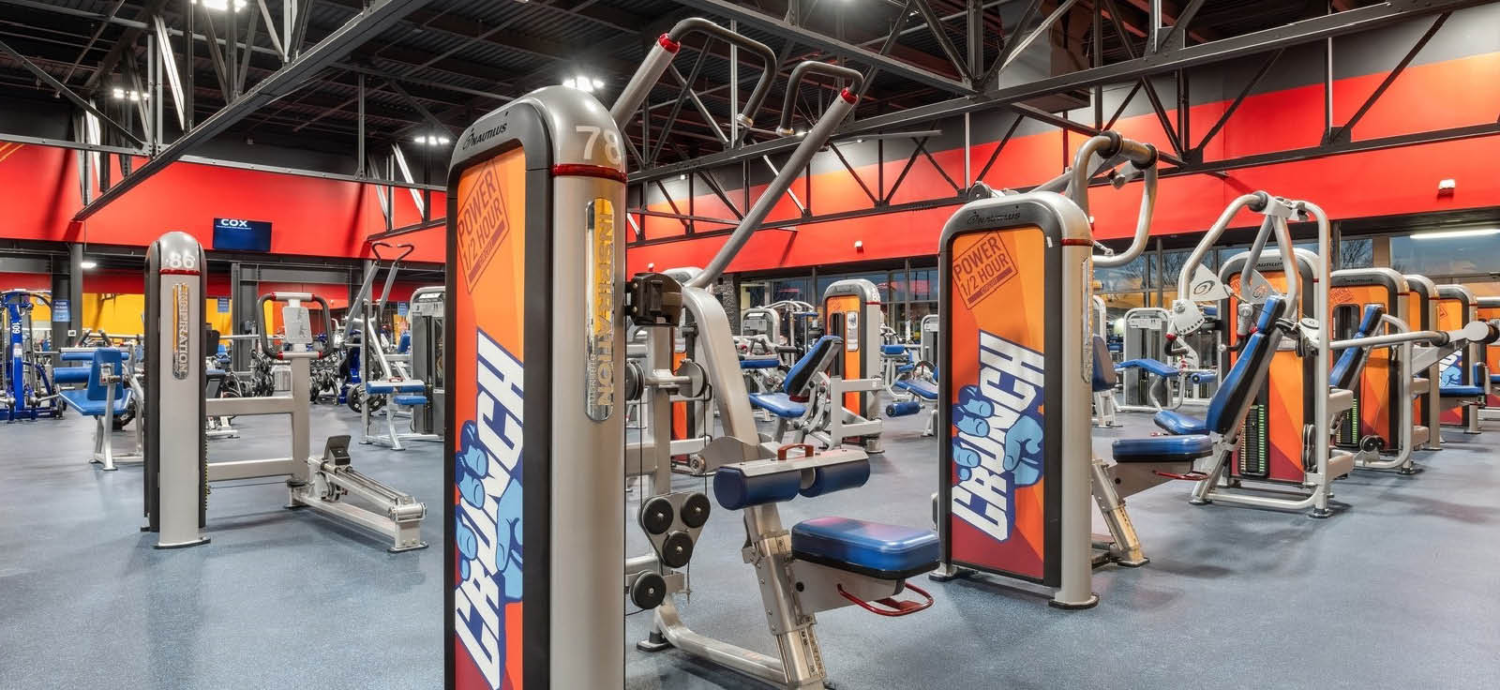
- Services: Physical spaces where individuals can access equipment, personal training, and group fitness classes. These brands often focus on community, convenience, and creating an environment conducive to physical activity. Another related blog to check is one that I wrote in October 2025 called “How Crunch Fitness COULD Market Themselves Online”.
Online Fitness Platforms and Apps
- Examples: Nike Training Club, Fitbod, Hevy
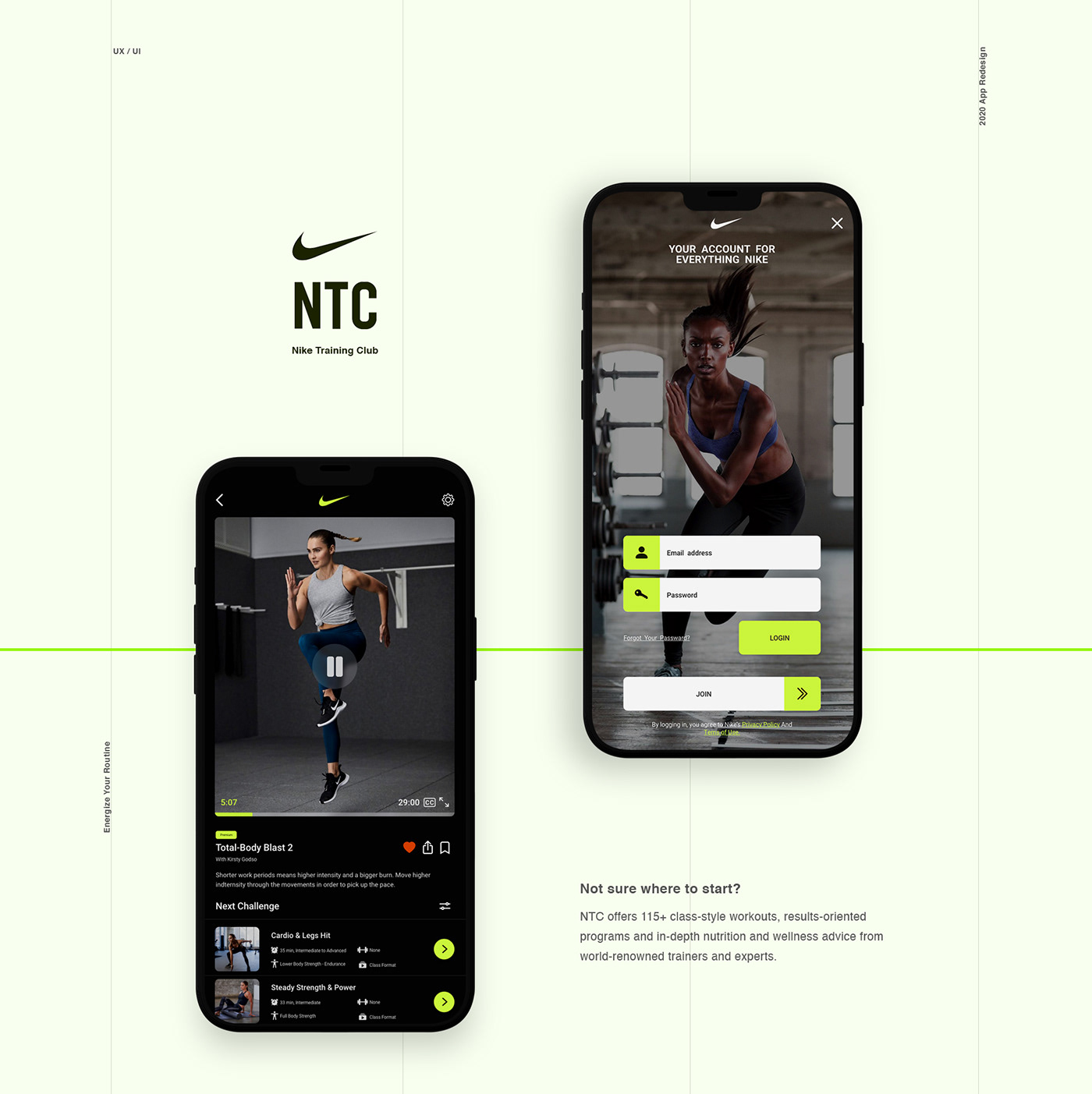
- Services: Digital platforms that provide workout plans, fitness tracking, and on-demand classes. These brands focus on accessibility and flexibility, allowing users to work out anywhere, anytime. In my opinion, this category is the one consistently changing who or what is at the top of the list. For instance, I originally had BeachBody on the initial list, which is replaced with Fitbod.
Supplements and Nutrition
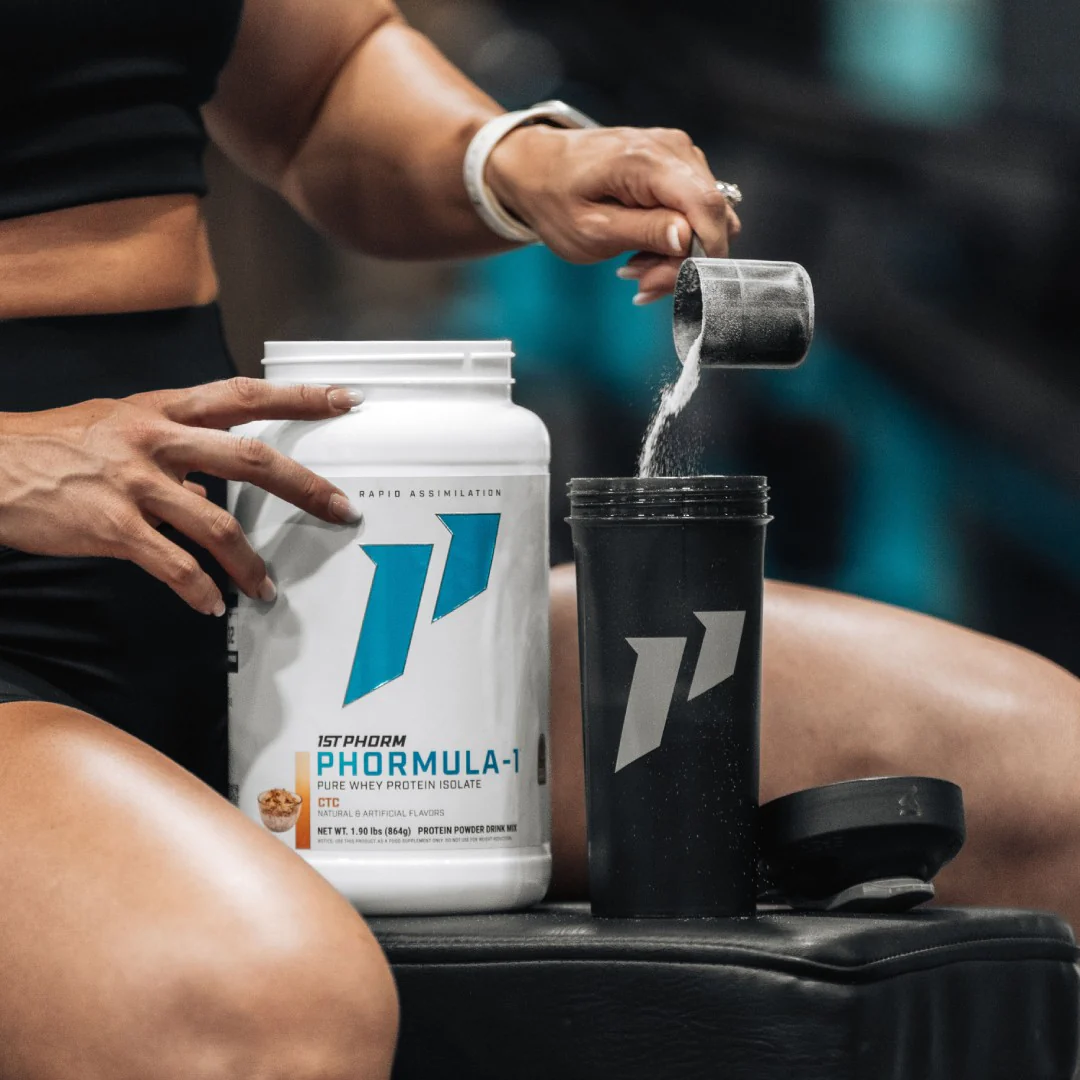
- Examples: GNC, Optimum Nutrition, MusclePharm, 1st Phorm
- Products: Protein powders, vitamins, pre-workout supplements, and other nutritional products that support fitness goals like muscle growth, weight loss, or improved endurance. A new addition to this list is 1st Phorm. I have invested in their product line-up especially with their protein meat sticks and powders.
Athlete Performance and Recovery
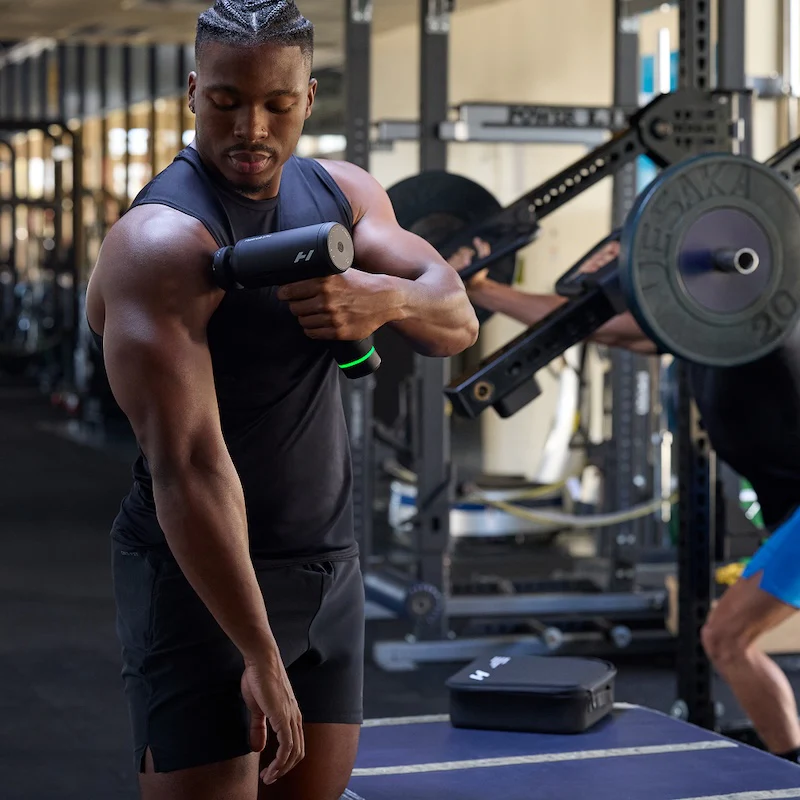
- Examples: Theragun, Hyperice, Whoop
- Products/Services: Tools and devices focused on muscle recovery, performance tracking, and injury prevention. These brands cater to both casual fitness enthusiasts and professional athletes by offering products that enhance performance and aid recovery.
Health and Wellness Tracking
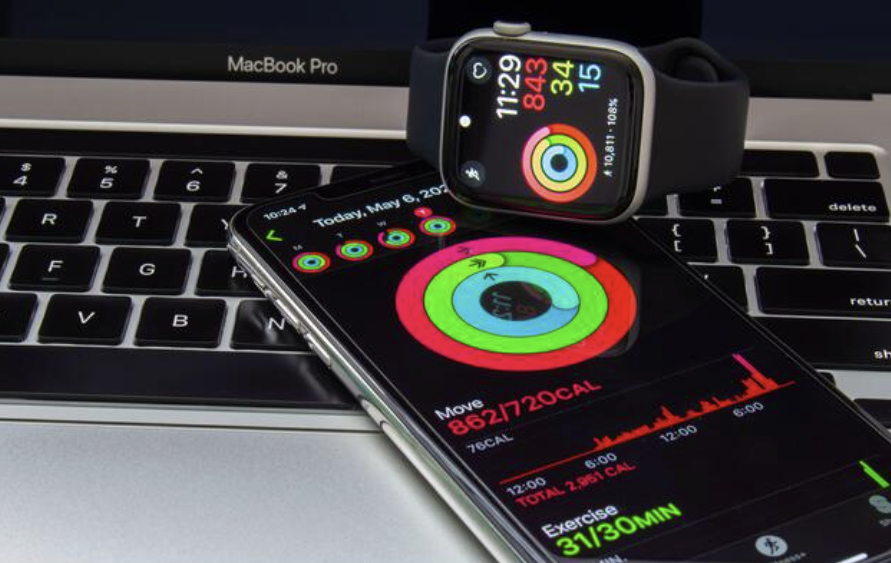
- Examples: Apple Health, FitBit, Oura, Cronometer
- Products/Services: Fitness trackers, wearable technology, or apps that monitor physical activity, heart rate, sleep patterns, and overall wellness. They often integrate with broader health goals, such as mental well-being, stress management, and healthy habits.
- Physical fitness brands aim to inspire people to lead active, healthy lifestyles, and they often create a sense of community around their products or services.
According to this blog’s title, we are now at the main event, which is the Digital Marketing process for Physical Fitness brands working with an agency in 2026. This agency could even be MAGNA APEX (shameless plug, 😏).
What remains constant is that a Digital Marketing agency usually has a few steps in their process when working with clients, below are those steps with descriptions, usually in this order regarding Physical Fitness brands. These relatively remain untouched when compared to the original blog post:
Identification and Outreach
- Marketing agencies often scout for fitness brands who have similar interests with their clients’ brand image and target audience. They may use various tools and platforms to identify brands who have a significant following and engagement in the fitness niche.
Proposal and Negotiation
- Once potential fitness brands are identified, the marketing agency reaches out to them with collaboration proposals. These proposals outline the campaign objectives, deliverables, compensation, and any other relevant terms. Negotiations may occur to finalize the details of the collaboration, including the scope of work and payment.
Campaign Planning
- Once an agreement is made, the brand is now a client. It is now time for developing a campaign strategy that aligns with the client’s goals. This may involve brainstorming additional content ideas, setting timelines, and determining key performance indicators (KPIs) to measure the campaign’s success.
Content Creation

- A separate design agency hired by the client or the client themselves usually provides content based on the agreed-upon strategy. This could include sponsored posts on social media platforms like Instagram, YouTube videos featuring the client’s products or services, blog posts, or other types of content.
Content Approval and Revisions
- The influencer submits the content to the marketing agency for review. The agency ensures that the content meets the client’s requirements and brand guidelines. Revisions may be requested if necessary.
Content Distribution
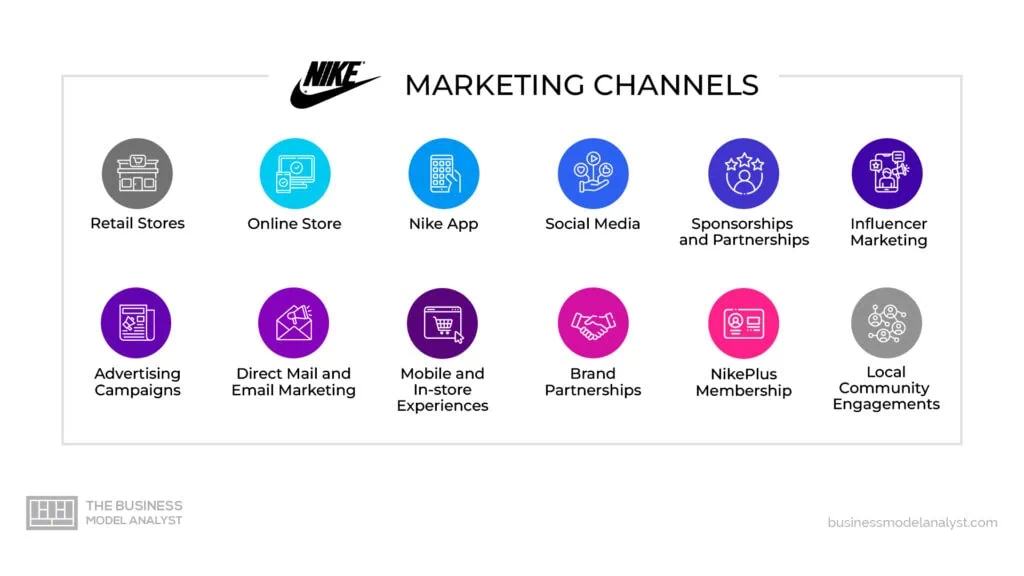
- Once the content is approved, the marketing agency assists in distributing it across various channels. This could involve scheduling posts, optimizing content for SEO and Social Media, and utilizing paid advertising to maximize reach and engagement.
Monitoring and Reporting
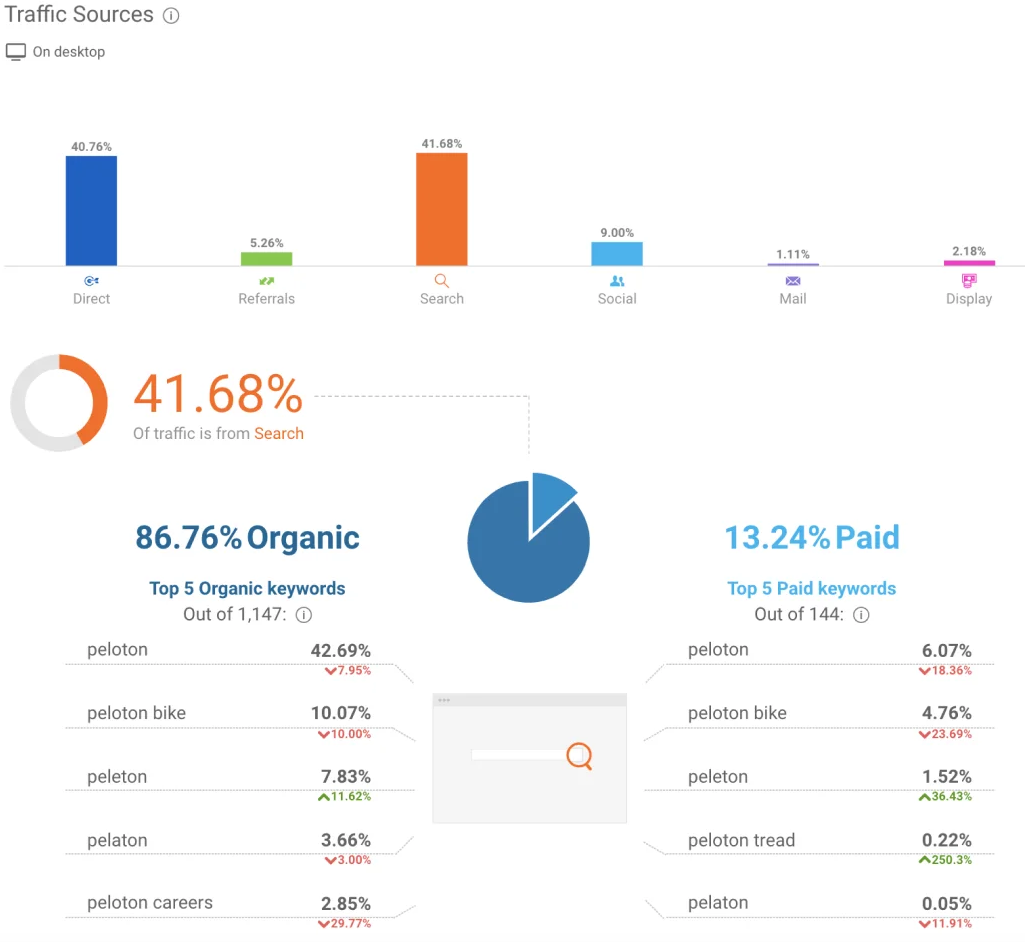
- Throughout the campaign, the marketing agency monitors the performance of the influencer’s content using analytics tools. They track metrics such as engagement rates, click-through rates, and conversions to assess the effectiveness of the campaign. Regular reports are shared with the client and the influencer to keep them informed of the campaign’s progress.
Payment and Compensation
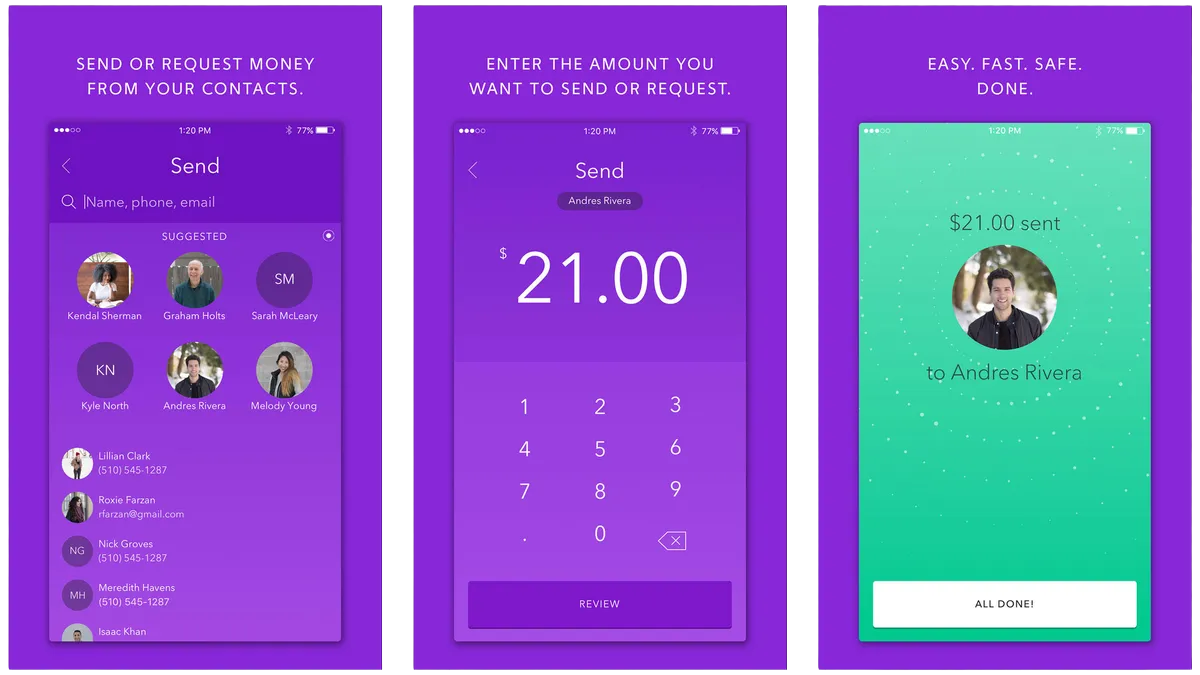
- Like any other business upon successful completion of the campaign deliverables, the influencer receives compensation as per the agreed-upon terms. This could be a flat fee, a commission based on performance, free products, or a combination of these. Payment apps including Zelle are ideal. They have streamlined this process compared to even 2 years ago.
Relationship Management
- The marketing agency maintains communication with a point(s) of contact for the fitness brand to nurture the relationship for future collaborations. This includes providing feedback, addressing any issues that may arise, and exploring opportunities for ongoing partnerships.
We made it and that is all I have, for now. Ready to increase your leads and orders by 15% every month?
Reach out using MAGNA APEX’s contact form or email me at reneir.cruise@magnaapex.com.
About Reneir Cruise
He is the owner of MAGNA APEX, which is a Digital Marketing for personal trainers to drive brand awareness to their website, acquire relevant business leads, and increase the number of clients to train. He started his Physical Fitness journey in September 2001 & continues to the present day. It was 11 years later in June 2012, that he entered the world of Digital Marketing and has been employed by some of the top marketing agencies.

CONTACT
Are you looking to level up your advertising efforts for your small business to gain more relevant leads and online orders? 1 or more of the marketing plans that I offer can help you get there.
The minimum monthly management rate for:
- Organic Search (SEO) Pro Plan on Google is $800
- Paid Search (PPC) Pro Plan is $600 plus monthly Ad Spend for Google Ads
- Organic Social Media Pro Plan on Meta and/or TikTok is $500
- Paid Social Media Pro Plan is $500 plus monthly Ad Spend for Meta Ads and/or TikTok Ads
All Pro plans include the necessary Creative services for design of infographics, ad images and thumbnails and video editing of reels from my second business and Content Studio, URPERSONA. The average wait time to start a monthly marketing plan is 1-3 months.
The 9 steps of what to expect:
Step 1: Initial contact. Fill out the contact form below. Include as much detail as you like.
Step 2: Brainstorming on an introduction call and email. Figure out what type of marketing plan you need. Descriptions can be found on my Services page to get a better idea.
Step 3: The initial estimate with a proposed Marketing agreement emailed for your review. I will reply to your contact request with our thoughts discussed from our introduction call including a ballpark price estimate and timeline. If it is a good fit, we will proceed to step 4.
Step 4: Signing the agreement(s) – each month paid in advance. I will send you an invoice(s) for marketing services agreed upon to onboard and secure your spot on MAGNA APEX’s client roster.
Step 5: Preparation. After initial payment, we will work together on the initial setup including CMS, Slack, Asana, and Analytics access. I will also ask if you have any base keywords to start the Keyword Research that we will use for all of the types of Marketing. We also schedule 1st monthly call to monitor and evolve our campaigns and processes.
Step 6: Building the Marketing campaigns to get more leads and/or online orders. When the preparation is complete, I will reach out to let you know and to confirm all the details we discussed. Then, it is time for me to build out the deliverables including the spreadsheets that tracks the progress of the blogs and/or ad copy to aid in the setup of the campaigns on the required platforms (WordPress, Google Ads, Meta Ads, TikTok Ads, etc).
Step 7: Managing the Marketing campaigns. This can include blog revisions, ad copy revisions, etc. I will continue to manage Marketing campaign(s) on a weekly basis and provide the needed updates on email, Slack, and/or text.
Step 8: Meet to discuss and evolve progress on monthly calls with you as the client.
Step 9: Repeat for the duration of agreement(s).


